
Principles: Move with real-life ambition, Build the world you want to live in
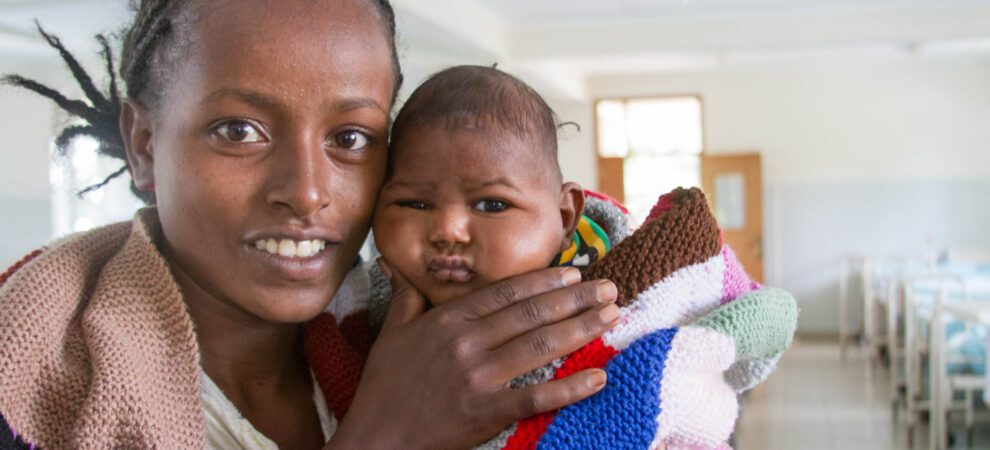
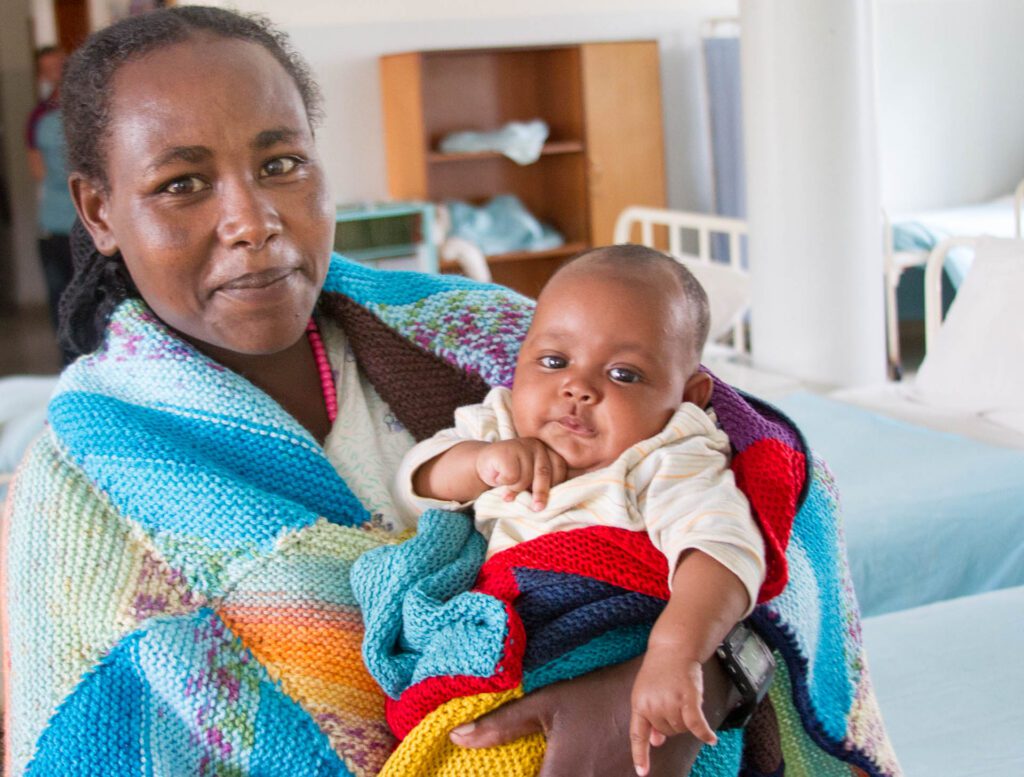
Women of all ages wrapped in colorful blankets gathered around the baby, caressing his pudgy arms and cooing in the universal language of infants. I was in the maternity ward of Hamlin Fistula Hospital in Ethiopia. I didn’t know who the child’s mother was, as each cared for the baby boy like he was her own.
That was in 2015, on a trip to visit the fistula hospitals Minerva had been supporting through our partnership with Hamlin Fistula USA, the former U.S. fundraising arm of Hamlin Fistula in Ethiopia. If you don’t know what fistula is, you’re not alone. Before working on this issue, I didn’t know either.
What I learned over our years of partnership is that fistula is yet another example of how badly health systems fail women.
Obstetric fistula is a childbirth injury that happens when a woman’s labor is obstructed, a relatively common pregnancy complication. Nearly every fistula can be prevented with a timely emergency Cesarean section.
But where women can’t reach a hospital in time, or the hospital can’t perform a C-section, obstructed labor can end in tragedy. Often the baby dies, and the mother is left with an injury that causes her to leak urine, feces, or both, constantly. Because of the leaking and the odor that comes with it, women are often isolated from their families and live as outcasts from their communities. Many do not know their condition is treatable. An estimated 500,000 women and girls are living with fistula today, most of them in areas of sub-Saharan Africa without reliable access to health care for mothers.
That partnership came at the start of my time at Minerva, and it shaped the work I’ve done since. That is why I was thrilled when we got the opportunity to work with Terrewode Women’s Fund and Worldwide Fistula Fund. The two organizations had decided to merge. As one organization, they could better support the African-led teams delivering care and the prevention work that stops fistula before it happens. They hired the Minerva team to help communicate about the merger: why it was happening, how it would bolster African-led obstetric fistula programs in sub-Saharan Africa, and how the merged organization could help end fistula.
We built a strategy for communicating about their merger and their new identity, along with a step-by-step process to make sure every piece was in place when the organization launched. Our team developed their brand messaging, and we coordinated with our partners RRD Design and Howle Creative on their visual identity and website.
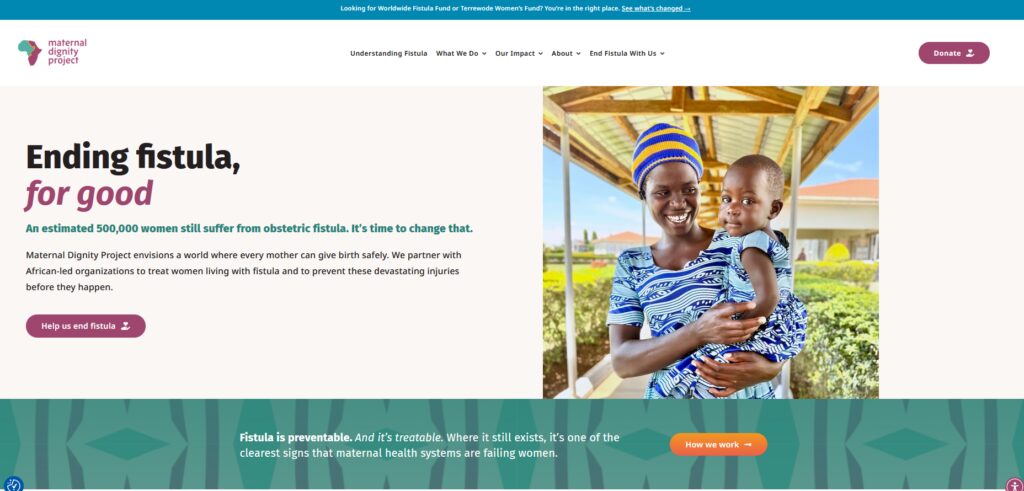
The organization chose the name Maternal Dignity Project because it captures the weight of this work. Dignity is what fistula takes from a woman. A woman with a fistula is likely to lose her baby, and then her place in her family and community. When she is treated and welcomed home, what comes back is the dignity that was always hers. Dignity is also the word the organization’s partners in Uganda, Burkina Faso, Kenya, Niger, and Ethiopia use to describe their work, and Maternal Dignity Project wanted its name to be built on the language and values its partners live by.
On October 1, 2026, Maternal Dignity Project officially launched. Merging two organizations asks a lot of the people who built them. The leaders of Terrewode Women’s Fund and Worldwide Fistula Fund chose to put their mission ahead of their separate legacies, and I’m proud Minerva got to help them tell that story. This is what Maternal Dignity Project’s Executive Director Bonnie Ruder had to say about our partnership:“Our branding, website, and especially the communications are all so beautifully written and designed. Minerva really captured the essence of our work, what we’re trying to accomplish, and convened it so well in all the different platforms. I really appreciate their attention to detail, staying on track with the timeline, and keeping our team focused. I’m feeling so much gratitude for all their hard work!”
Twelve years after that first partnership, I didn’t expect fistula to come back into my working life. I’m so grateful it did. Knowing what I know now, the maternity ward I visited in 2015 has a whole new meaning. Most of the women in that ward had lost a baby to fistula. They had endured the injury, had it surgically repaired, and were able to get pregnant again—something that is only possible for a small portion of women who have had a fistula repaired. They returned to the hospital for a safe C-section so that their next baby could live.
For every woman in that ward, and all those recovering from or preparing for fistula repair surgery, each baby born is a victory. Each is also a window into a world where fistula is a thing of the past. To learn more about fistula or support Maternal Dignity Project in ending fistula for good, visit maternaldignityproject.org.
