
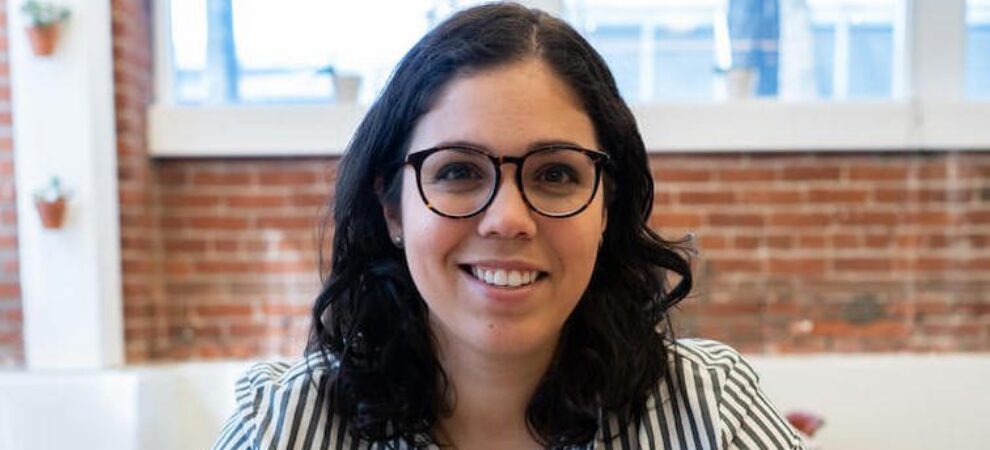
At Minerva Strategies, we are honored to work with incredibly talented partners who augment the work we do with our clients. I had the privilege of speaking with M. Lopez, founder and lead website designer for Howle Creative, a Seattle-based web design studio specializing in custom WordPress and Squarespace websites, SEO, and AI-supported strategy for small businesses and organizations.
The following conversation has been edited for length and clarity.
Dori Valerio: M., thank you so much for speaking with me today. We’ve worked on a couple of clients together, but I would love for you to tell me a bit about your background.
M. Lopez: Yeah, I’m a designer and strategist with a strong business background. This has really shaped how I show up for clients. I don’t just think about how a website looks or functions. I think about how it fits into the bigger picture of running a business and organizations day-to-day. Small businesses and local organizations are the heartbeat of our communities, and I care deeply about helping them succeed in ways that feel sustainable and human.
I love that—and how did Howle Creative come to be?
It grew out of seeing a real gap between what small businesses and organizations needed and what they were being sold. I saw too many people overwhelmed by tools, trends, and advice that didn’t take their actual business reality into account. I wanted to build something rooted in trust, clarity, and long-term thinking.
If you had to explain what you do at Howle Creative in one sentence, what would you say?
I help clients solve problems.
That’s straight to the point!
That’s really the core of it. Websites, Search Engine Optimization (SEO), analytics, and systems are just the tools. What I actually do is help people make sense of complexity, make better decisions, and feel confident in their direction.
A lot of our partnership has focused on building smart, intentional websites for our clients. Can you walk me through your design process and how you ensure clients see their vision actualized?
The process starts with listening and understanding the inspiration behind the website. We talk about goals, constraints, audiences, and what success really looks like. From there, we move into structure, content, and design in a way that feels collaborative and grounded.
A lot of people know what they want but don’t have the words for it. My job is to help translate that vision into something tangible. I ask thoughtful questions, reflect ideas back clearly, and show options along the way. That shared understanding builds trust and keeps everyone aligned.
How do you support clients who are apprehensive about design or who say they don’t have any design knowledge?
I remind them that they don’t need design knowledge, that’s my role. I explain things in plain language, walk through decisions together, and make sure nothing feels mysterious. Confidence comes from feeling informed and included, not from being an expert.
What has been your favorite project partnering with Minerva?
Washington Thriving has been one of my favorite projects. The complexity and obstacles pushed me to be a better designer, strategist, and collaborator. It required patience, flexibility, and a lot of problem-solving, which is where I do my best work. Collaborating with Sara was also a highlight. She’s thoughtful, articulate, and deeply invested in the work. That kind of partnership makes even the hardest challenges rewarding.

What do you enjoy most about partnering with our team at Minerva?
Minerva’s leadership is thoughtful and grounded, which creates space for meaningful work. There’s trust, respect, and a shared commitment to doing things well. That kind of partnership is rare and valuable.
Let’s talk about AI. There are some major concerns about AI usage. Can you talk about how you approach it and what role it plays in your work?
Those concerns are valid. I see AI as a tool, not a replacement for people. I use it to support research, organization, and efficiency—so I can focus more on strategy, problem-solving, and relationships. AI is useful for handling repetitive or time-consuming tasks like summarizing data, spotting patterns, or accelerating technical groundwork. That frees up time for deeper thinking and better conversations with clients.
It also makes solutions accessible that would’ve otherwise been unaffordable or out of reach for many. Instead of writing complex code entirely from scratch, we can design the structure, use AI to support parts of the code writing, and then test, refine, and hone everything carefully. That approach has cut development time by hours. But it should make work easier, not remove the human judgment that good business depends on.
What do you think is next for AI?
I think the next phase is about balance and responsibility. The real value will come from businesses and organizations that use AI thoughtfully and ethically—pairing technology with empathy, context, and human judgment. The future isn’t automation for its own sake. It’s smarter, more human work supported by tools that give us time back to focus on what actually matters instead of tedious or repetitive tasks.
And what’s new and exciting for you and Howle Creative?
I’m focused on building smarter systems that support clients long-term. That means clearer insights, better reporting, and workflows that reduce friction instead of adding complexity. We’re also expanding into building software solutions to solve recurring problems I see across businesses and organizations.
Alongside that, I’m launching two new verticals: Howle Media, which focuses on strategic video and photography designed to perform across websites, search, and paid media; and Howle Advisory, where I step into a more strategic role advising organizations on their digital systems and long-term direction.